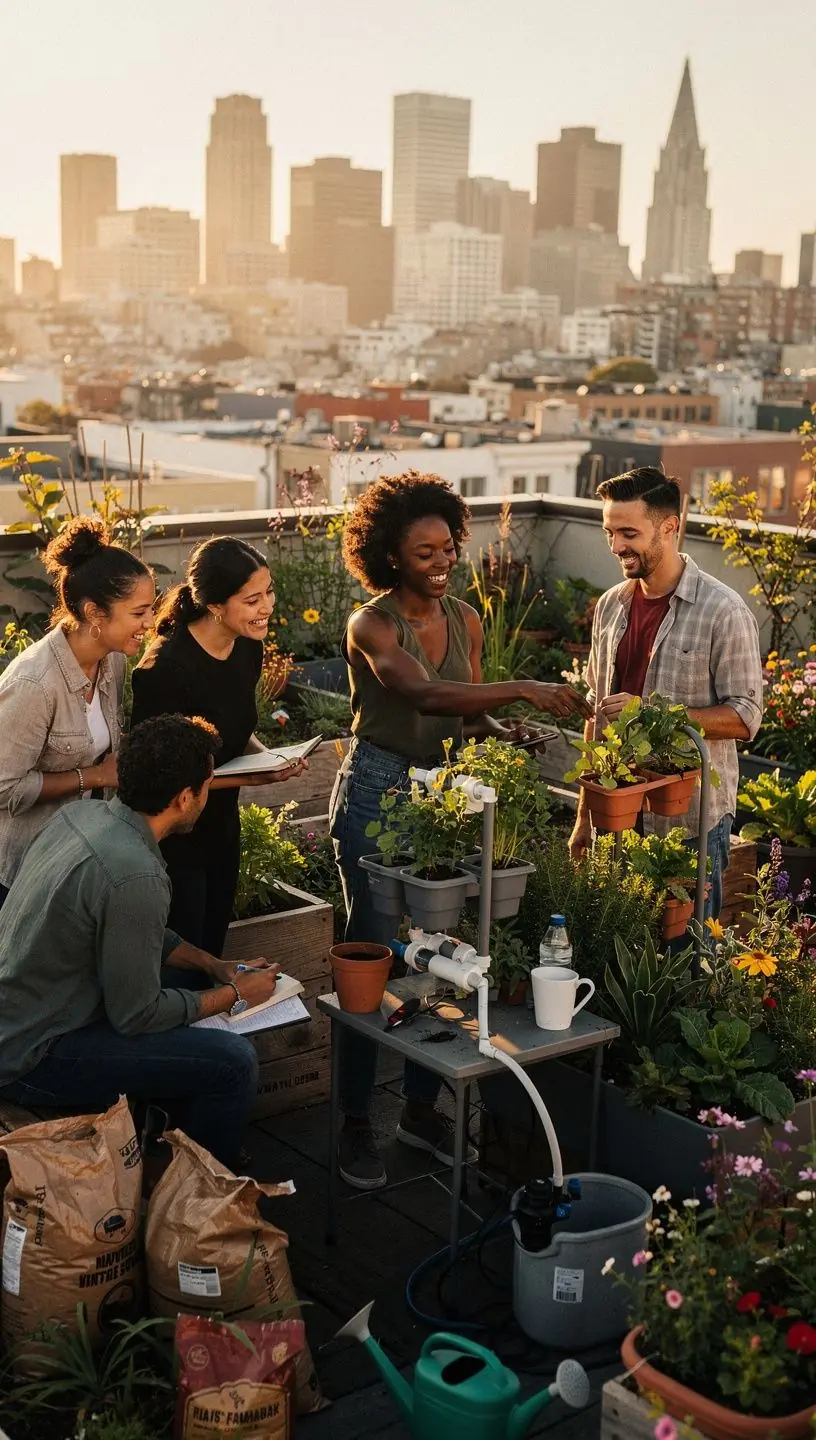
Practical Guide to Sustainable Gardening Practices
Sustainable gardening is an effective approach that can benefit both your garden and the environment. This guide offers practical insights into implementing sustainable practices that create a lasting impact without overwhelming commitment.
Understanding the Basics of Sustainable Gardening
Sustainable gardening involves creating a garden that is environmentally friendly, often incorporating practices that conserve resources and promote biodiversity. According to the American Horticultural Society, sustainable gardening not only optimizes plant health but also enhances soil quality and conserves water.

"Sustainable gardening practices contribute to environmental health while providing beauty and bounty in the home landscape." - American Horticultural Society
Key Practices for Sustainability
There are several strategies that gardeners can employ to develop sustainable gardens:
- Composting: Composting organic waste is an excellent way to enrich your soil naturally. Studies indicate that adding compost can improve soil structure, enhance nutrient availability, and increase moisture retention.
- Native Plants: Utilizing native plants is often recommended by experts as they are better suited to local conditions. They typically require less water and are more resistant to pests, leading to reduced reliance on chemical pesticides.
- Water Conservation: Implementing water-saving techniques, such as drip irrigation or rainwater harvesting, can significantly reduce water usage. Research shows that these methods can decrease water consumption by up to 50% compared to traditional gardening methods.
Building a Healthy Ecosystem
A sustainable garden thrives on biodiversity. Many experts suggest that planting a variety of species can promote a balanced ecosystem, reducing pests naturally. You can also encourage beneficial insects by providing habitats for them, such as native flowering plants and insect hotels.
Challenges and Considerations
While the benefits of sustainable gardening are numerous, it’s important to acknowledge the potential challenges:
- Creating a sustainable garden typically requires a time investment for planning and initial setup, often taking a few weeks to see significant changes.
- Some practices may involve a learning curve, especially if you're new to gardening. Many users report that familiarizing yourself with local soil and climate conditions is crucial for success.
- These practices may not be suitable for all environments. For instance, areas with extreme weather conditions may require modifications to traditional sustainable practices.
Conclusion
Embracing sustainable gardening practices is a rewarding journey that not only enhances your garden but also contributes positively to the environment. By starting with small, manageable changes, you can create a thriving garden that reflects both beauty and ecological responsibility. Remember, the results of sustainable practices may take time to manifest, often requiring patience and dedication. However, the long-term benefits make the effort worthwhile.
Discover More